Fly and Mosquito Control Strategies
People seeking fly and mosquito control strategies aim to reduce pests and enjoy outdoor comfort, and local service providers can implement effective solutions to meet those needs.
If fly and mosquito control strategies are a priority for your property, you're in the right place. These pests can quickly become a nuisance, especially during warmer months, impacting outdoor gatherings, relaxing on the patio, or simply enjoying your yard. Property owners in the area often explore effective ways to reduce these insects to create a more comfortable and enjoyable outdoor environment. Understanding the options available and how they can be tailored to your space can make a significant difference in managing pest populations effectively.
Connecting with local contractors who specialize in fly and mosquito control services can provide practical solutions designed for your specific needs. These professionals offer a range of strategies, from targeted treatments to preventative measures, helping to minimize pest activity around your home or business. Keep reading to learn more about common fly and mosquito control methods and how local service providers can assist in making your outdoor spaces more enjoyable and pest-free.
- Fly control services - individuals experiencing persistent fly problems around their property can rely on local contractors to implement effective strategies such as trapping, baiting, or residual treatments.
- Mosquito control solutions - when mosquito populations become overwhelming, local service providers can assess breeding sites and apply targeted treatments to reduce adult insects and larvae.
- Fly and mosquito prevention - homeowners seeking to minimize future infestations often turn to local pros for advice on habitat modification and barrier methods to keep pests at bay.
- Seasonal pest management - during peak pest activity times, local contractors can develop customized plans to address fly and mosquito issues specific to the local climate and environment.
- Residential pest control - property owners facing ongoing fly and mosquito nuisances can work with local service providers to establish integrated strategies that suit their property’s unique needs.
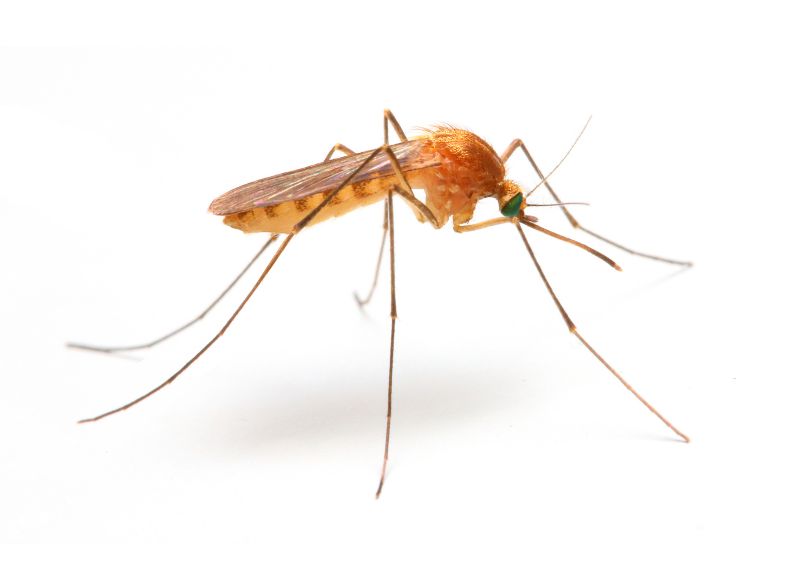
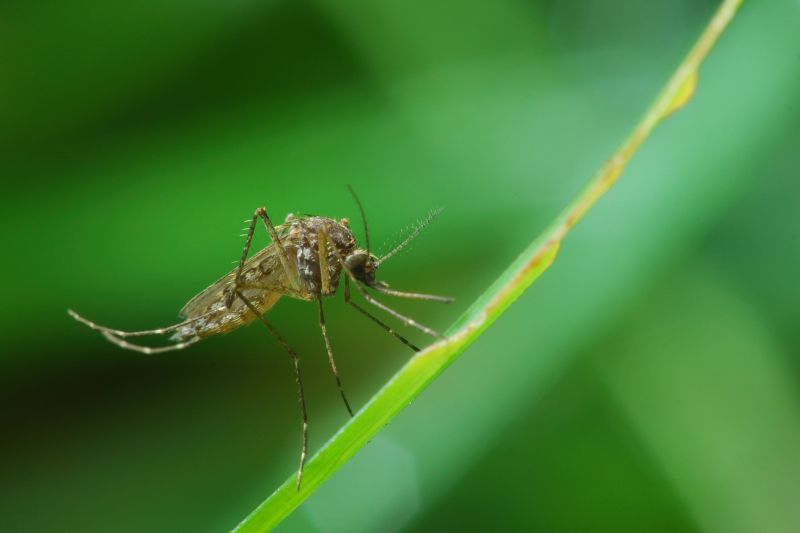
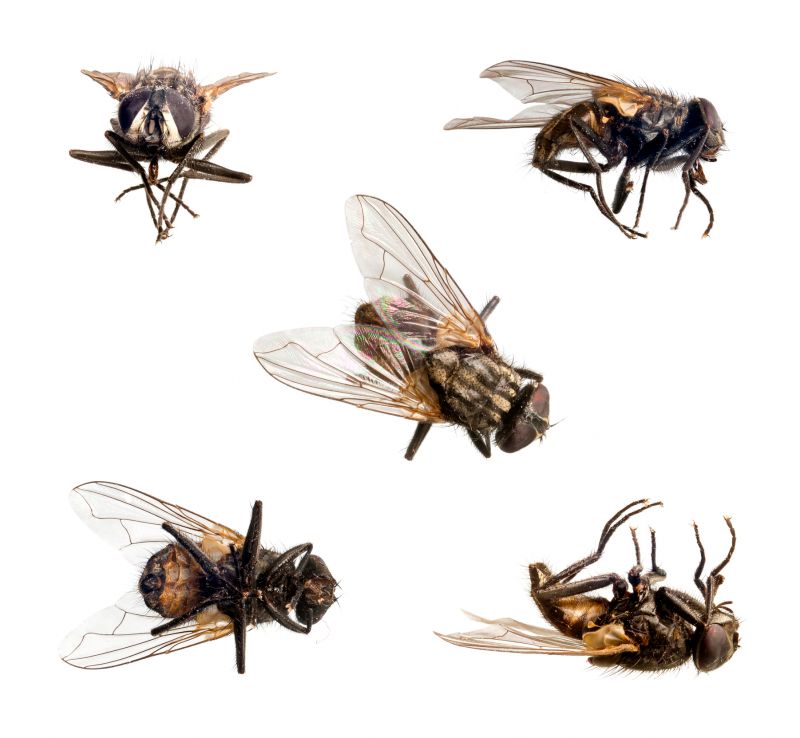
When people search for fly and mosquito control strategies, they are often looking for ways to reduce the presence of these pests around their property. Mosquitoes and flies can be more than just a nuisance; they can also pose health risks by transmitting diseases or contaminating food and surfaces. Homeowners typically want effective methods to keep these insects away during outdoor gatherings or to prevent them from becoming a persistent problem. The search may also indicate an interest in understanding how to implement ongoing prevention measures or incorporate specific techniques that target these pests at different stages of their life cycles.
The problems associated with flies and mosquitoes often involve high populations that thrive in certain environments, such as standing water, overgrown vegetation, or areas with poor drainage. Property owners might be planning outdoor events, managing a backyard, or maintaining a commercial space that requires pest control to ensure comfort and safety. Strategies for fly and mosquito control can include physical barriers, habitat elimination, and targeted treatments. Many homeowners are also exploring integrated approaches that combine multiple methods to achieve longer-lasting results, especially in areas where these pests tend to congregate or breed.
Properties that frequently come up in discussions about fly and mosquito control strategies tend to be residential yards, patios, and gardens, as well as commercial outdoor spaces like restaurants, event venues, or parks. These locations often have features that attract pests, such as stagnant water sources, dense shrubbery, or cluttered areas. Larger properties with extensive landscaping or water features may require more comprehensive control plans. Regardless of property size, effective strategies often depend on identifying specific problem areas and working with local service providers who can tailor solutions to the site’s unique conditions.
Understanding how local pros fit into fly and mosquito control strategies helps homeowners connect with experts equipped to handle these pests effectively. These service providers typically assess the property to identify breeding sites and pest habitats, then implement customized plans that may include habitat modification, targeted insect treatments, and ongoing monitoring. By working with experienced contractors, property owners can ensure that control measures are appropriate for their specific environment, helping to reduce pest populations and improve outdoor comfort. This collaborative approach makes it easier to manage fly and mosquito issues as part of a broader pest prevention plan tailored to the property’s needs.
Insect exclusion projects - local contractors often implement physical barriers and screening methods that are similar to fly and mosquito control strategies to prevent insect entry in residential and commercial spaces.
Pest habitat modification - efforts to reduce breeding sites and eliminate standing water align with mosquito control tactics and require similar planning and site assessment skills.
Outdoor pest management - treatments involving targeted insecticide applications for yard and landscape pests share techniques with mosquito control to reduce insect populations around properties.
Trap installation services - setting up and maintaining insect traps for monitoring or reducing pest activity relates closely to mosquito trapping and fly control methods.
Sanitation and debris removal projects - cleaning up organic waste and clutter to minimize insect breeding grounds mirrors strategies used in fly and mosquito control to reduce attractants.
Mosquito misting system installation - local pros can set up automated misting systems that complement fly and mosquito control strategies for ongoing pest suppression.
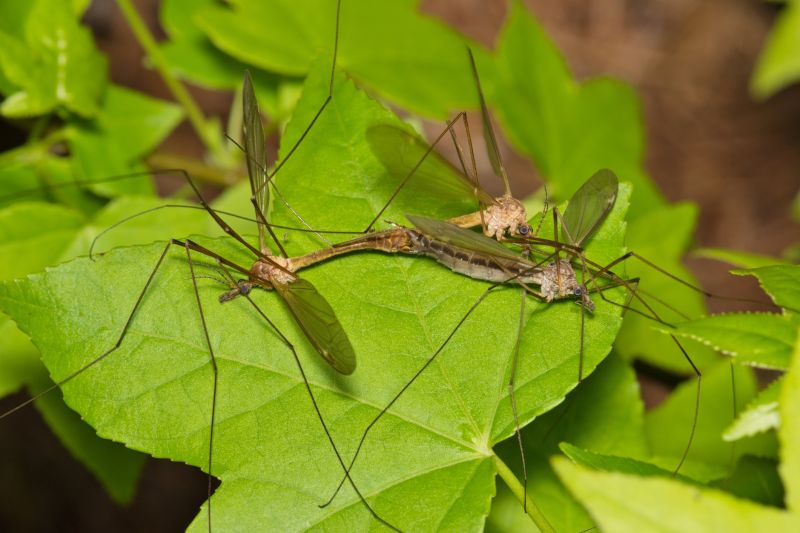
When evaluating service providers for fly and mosquito control strategies, it is important to consider their experience with similar projects. An experienced local contractor will have a better understanding of the specific challenges and conditions unique to the area, which can influence the effectiveness of various control methods. Homeowners should inquire about how long the contractor has been working on fly and mosquito control services and whether they have handled properties similar in size or landscape to their own. This background can provide insight into their familiarity with effective strategies and their ability to adapt solutions to specific environments.
Clear and detailed written expectations are essential when comparing local contractors for fly and mosquito control services. A reputable service provider should be able to outline the scope of work, the methods they plan to use, and any preparations or follow-up steps required. Having these expectations documented helps prevent misunderstandings and ensures that both parties are aligned on what the service will entail. Homeowners are encouraged to ask for a written plan or proposal that explicitly states what will be done, so they can evaluate whether the approach aligns with their needs and concerns.
Reputable references and good communication are key indicators of a reliable local contractor. Homeowners can request references from previous clients who had similar fly and mosquito control needs, providing an opportunity to learn about the contractor’s performance and professionalism. Additionally, a contractor’s ability to communicate clearly-answering questions, explaining options, and providing updates-can significantly impact the overall experience. Good communication helps ensure that homeowners remain informed throughout the process and can make well-informed decisions about their fly and mosquito control strategies.
Property owners often search for fly and mosquito control strategies when they are planning practical projects around their homes and businesses. Local pros provide Fly and Mosquito Control services for everyday jobs and straightforward project options.
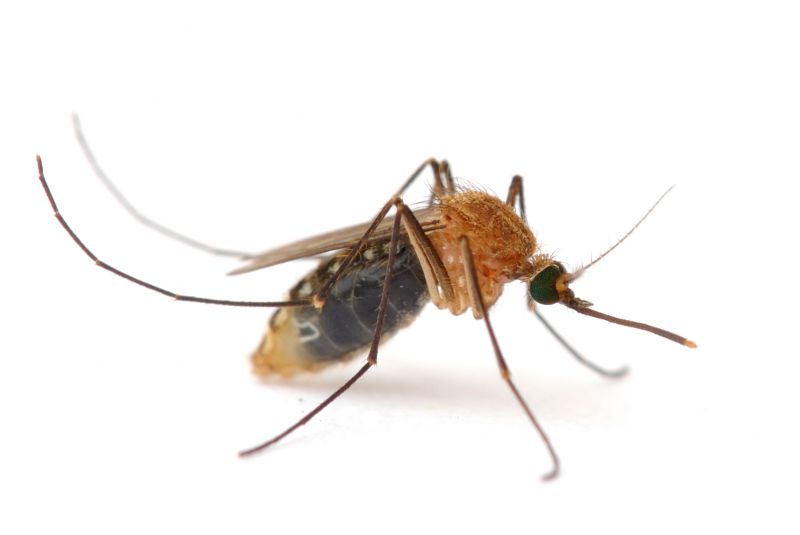
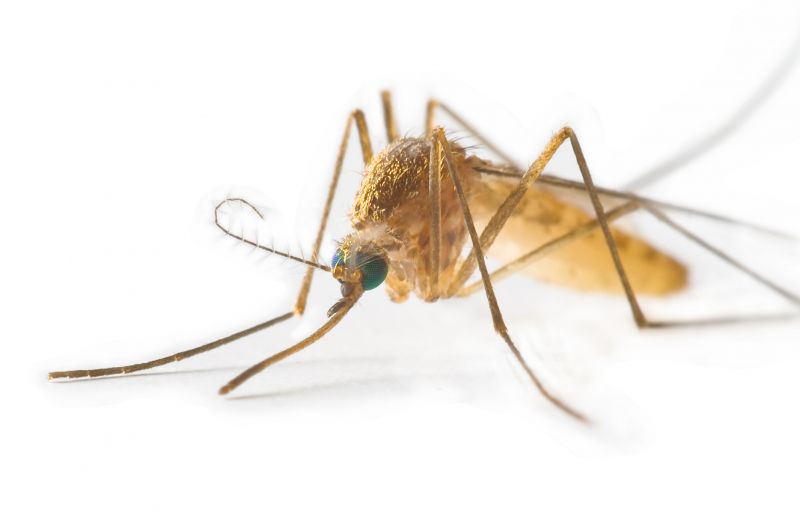
For property owners dealing with frequent fly and mosquito issues, understanding effective control strategies is essential for enjoying outdoor spaces. Common project situations include preparing for outdoor gatherings, managing ongoing pest problems, or seeking ways to reduce nuisances during peak seasons. Many people turn to local contractors who specialize in fly and mosquito control services to implement practical solutions, such as targeted treatments or habitat modification, that help minimize these pests and improve comfort on their property.
Considering fly and mosquito control strategies from local service providers is a practical step for those looking to address persistent insect problems. These professionals can assess specific property conditions and recommend appropriate measures to reduce breeding sites and pest populations. Whether it’s installing barriers, applying treatments, or advising on maintenance practices, connecting with experienced local contractors can help property owners manage fly and mosquito issues effectively and enjoy their outdoor spaces more comfortably.
What are effective fly and mosquito control strategies? Local service providers often recommend a combination of source reduction, such as removing standing water, and applying targeted treatments to reduce fly and mosquito populations effectively.
How can I prevent flies and mosquitoes from entering my home? Professionals suggest installing screens, sealing entry points, and eliminating breeding sites around the property to minimize indoor and outdoor pest issues.
What types of treatments do local contractors use for fly and mosquito control? Service providers typically utilize a mix of larvicides, adulticides, and barrier sprays to control pests at different life stages and prevent infestations.
Are there environmentally safe options for fly and mosquito control? Many local pros offer options that focus on targeted treatments and source reduction methods to reduce the use of chemicals while maintaining effectiveness.
How often should fly and mosquito control strategies be implemented? The frequency of treatments depends on the local environment and pest activity, but professionals can advise on a schedule that best manages ongoing issues.
Identify breeding sites - property owners can work with local contractors to locate and eliminate standing water and other mosquito breeding areas around their property.
Install physical barriers - local service providers can help set up screens, netting, or other barriers to prevent flies and mosquitoes from entering living spaces.
Apply targeted treatments - professionals can provide treatments like larvicides or insecticides to reduce fly and mosquito populations in key areas.
Maintain outdoor spaces - routine clean-up and landscaping advice from local pros can minimize attractants and hiding spots for flies and mosquitoes.
If you are thinking about fly and mosquito control strategies for a property, this guide is meant to help you understand this topic, the typical project types, and how different options might fit your plans.
When you are ready, you can use the quote form on this page to share a few details about your project. From there, local pros can review the basics and follow up with options that match what you have in mind.