Optimal Timing for Fly Treatments
Fly treatments are most effective when performed during specific periods of the year, typically aligned with the fly breeding cycle. Understanding the seasonal patterns and environmental conditions can help determine the optimal timing for application, ensuring maximum impact and reducing fly populations efficiently.
Early spring is ideal for fly treatments as it targets emerging fly populations before they reach peak numbers.
Applying treatments during summer helps control adult flies when they are most active and breeding.
Fall treatments can prevent fly populations from overwintering and reduce the number of flies in the following season.
Temperature, humidity, and rainfall influence fly activity and treatment effectiveness, making timing adjustments necessary.

Spring application targeting early fly emergence.
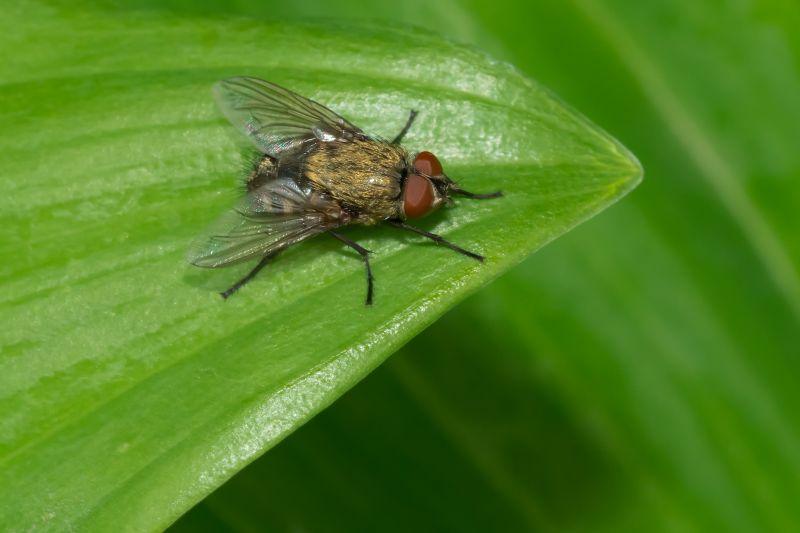
Peak summer activity for effective adult fly management.

Fall treatments to curb overwintering fly populations.
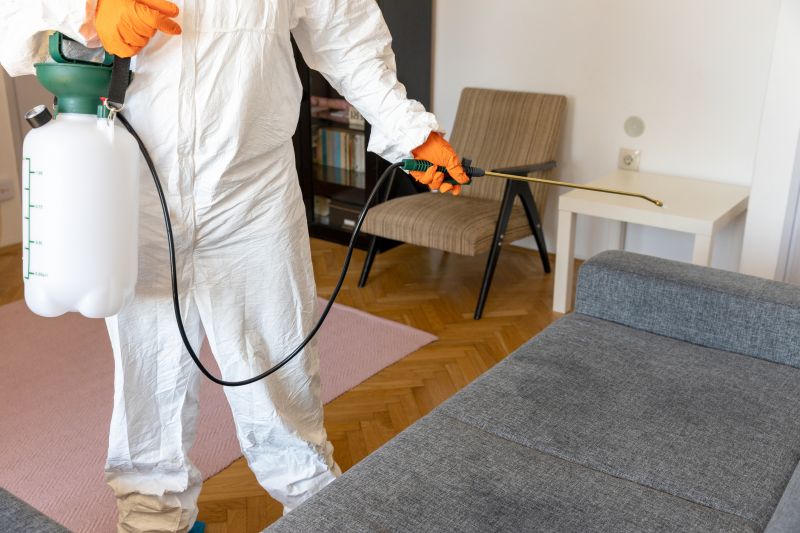
Tracking environmental cues for optimal treatment timing.
| Season | Optimal Timing |
|---|---|
| Spring | Apply when first signs of fly activity appear, typically early in the season. |
| Summer | Peak activity period; best for adult fly control. |
| Fall | Prevents overwintering populations; ideal after the main breeding season. |
| Environmental Factors | Adjust timing based on temperature, humidity, and rainfall patterns. |
| Monitoring | Use fly activity levels to determine precise treatment windows. |